
Goods-Only Hoists in Cape Town
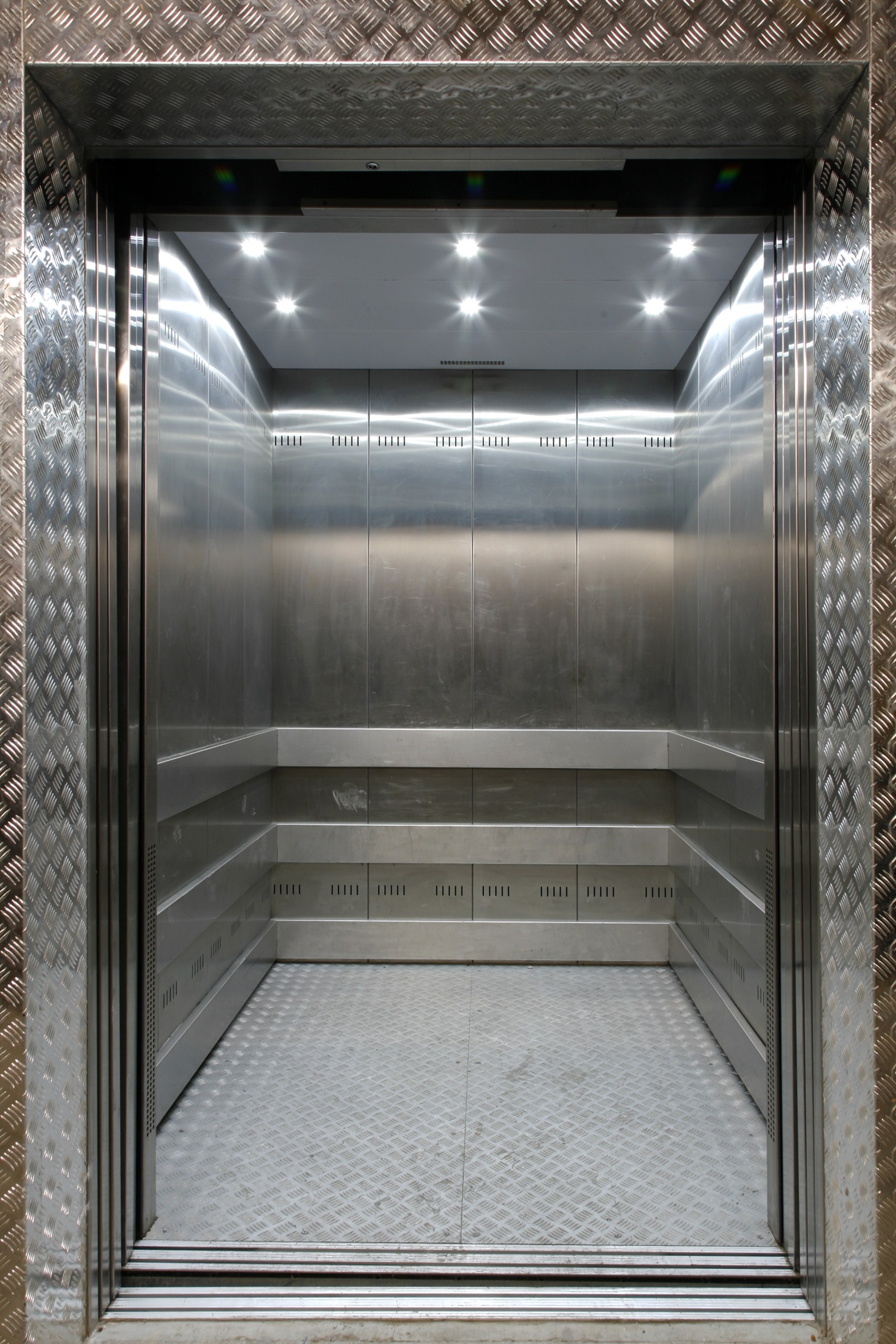
Maintenance and Repairs
A working hoist can be central to daily stock movement. Planned goods-hoist maintenance provides an opportunity to identify wear, review operation and address developing faults.
For an existing problem, provide the equipment details, a description of the fault and any available service records when requesting goods-hoist repairs. This helps establish what needs assessment.
Maintenance and statutory inspections serve different purposes. Discuss the applicable inspection and testing requirements alongside the maintenance arrangements for your equipment
Modernising an Existing Goods Hoist
An older hoist may no longer suit the way your building operates. Recurring faults, worn components or changed loading requirements can all prompt a review.
Goods-hoist modernisation begins with an assessment of the existing installation.
The aim is to establish which components remain suitable, what could be upgraded and whether replacement would better meet the requirement. Any proposed change to capacity or use requires technical assessment.
Goods-Only Hoists Cape Town
Vision Elevators supplies goods-only hoists in Cape Town and the Western Cape for commercial, retail, industrial and storage applications. Also known as goods lifts or goods elevators, these systems provide a practical way to move stock, equipment and materials between floors. Goods-only hoists are designed exclusively for carrying goods and must never be used to transport passengers.
Whether you are fitting out a new premises or reviewing equipment in an existing building, the starting point is the same: what needs moving, where it needs to go, and how your team will load and unload it.
Where Are Goods-Only Hoists Used?
A goods hoist connects working areas on different levels. It can move stock between a storeroom and shop floor, materials between production areas, or equipment between storage and operational spaces.
Typical applications include:
Warehouses with storage on more than one level.
Retail premises with separate stockrooms.
Factories and workshops moving materials or finished products.
Commercial buildings with back-of-house goods routes.
See our Cape Town retail goods-hoist project for an example of this equipment in a retail setting.
For smaller items, such as trays or boxed supplies, a dumbwaiter may be more appropriate. Where people need to travel with the load, discuss a suitably specified freight elevator instead.
Choosing the Right Goods Hoist
Start with the loads you move during a normal working day: their weight and dimensions, how often they move, and the throughput your team needs. Include any trolley, pallet or handling equipment that will travel on the platform. Consider peak periods and how downtime would affect business continuity.
Record rare oversized or unusually heavy moves separately. Engineering must confirm that the proposed equipment suits the intended loads and assess safe alternatives for exceptional moves. Never exceed the rated capacity or use the hoist outside its approved operating limits.
Capacity is only one part of the specification. Platform dimensions, clear entrance width, load distribution and the approach to each landing also matter. A load that fits on the platform still needs sufficient room to enter, leave and turn at the destination.
The number of floors, distance between levels and entrance positions help determine the arrangement. Loading and unloading from the same side may suit one building, while another needs access from opposite sides.
Explore our goods-only hoist range to understand the available arrangements before discussing your building’s requirements.
Planning a New Installation
Introducing a hoist early in the building design helps coordinate the equipment with the surrounding structure and goods-handling routes. For existing premises, measured drawings and photographs provide a useful starting point.
Your project brief should identify:
The floors and landings to be served.
Available installation space and proposed entrance positions.
Normal daily load dimensions, weight and loading method.
Daily throughput, peak frequency and acceptable downtime.
Rare oversized or unusually heavy moves, recorded separately.
Access for delivering and installing equipment.
Whether the premises must remain operational during the work.
Vision Elevators can review these requirements with your project team. The proposal should address the equipment, associated building work, electrical requirements and responsibilities for installation and handover, including the latest regulations and standards applicable to the project.
Request a Goods Hoist Assessment
Planning a new installation or looking after an existing hoist in Cape Town or the Western Cape? Send your site location, building plans or photographs, normal daily load details, required throughput and the number of levels involved. Explain any business-continuity needs and record exceptional moves separately.
For existing equipment, include its identification details, service history and the problem you want to address.
Contact our Cape Town office
Unit 28, Sycamore Crescent
Potsdam, Cape Town
021 300 1715 · info@visionelevators.africa
Share your Western Cape location, project stage and equipment requirements with our team.
Frequently asked questions
What is a goods-only hoist?
A goods-only hoist moves stock, materials or equipment between designated levels. Its intended use is goods transport, not passenger travel.
Can people travel in a goods hoist?
No. People must never travel in a goods-only hoist. If the task requires a person to accompany the load, a different lift category must be specified.
What information is needed for a quotation?
Provide the site location, normal daily load weights and dimensions, required throughput, number of stops, travel height, proposed loading method and available space. Include peak periods, downtime constraints and any rare oversized moves separately. Drawings and photographs help explain the building.